




Cadmium Effects in Infants and Children: A Comprehensive Review of Health Impacts, Microbiome Shifts, and Microbial Metallomics
Toxicity Research
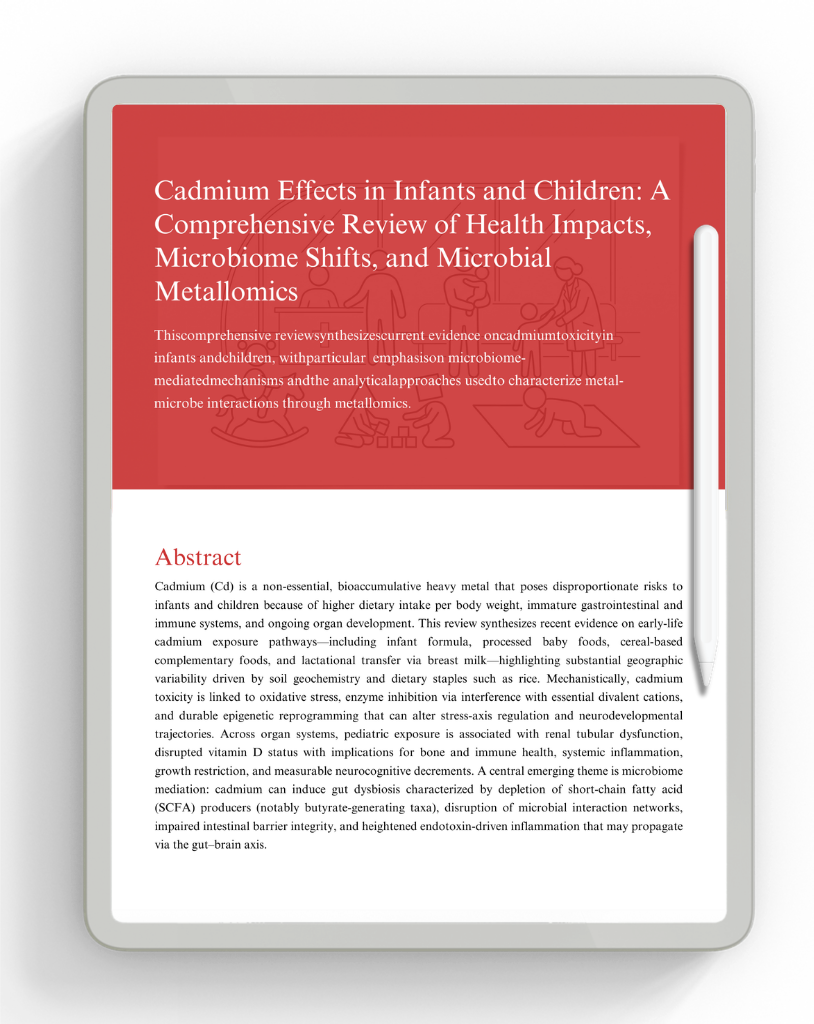
Cadmium Effects in Infants and Children: A Comprehensive Review of Health Impacts, Microbiome Shifts, and Microbial Metallomics

Abstract
Cadmium (Cd) is a non-essential, bioaccumulative heavy metal that poses disproportionate risks to infants and children because of higher dietary intake per body weight, immature gastrointestinal and immune systems, and ongoing organ development. This review synthesizes recent evidence on early-life cadmium exposure pathways, including infant formula, processed baby foods, cereal-based complementary foods, and lactational transfer via breast milk, highlighting substantial geographic variability driven by soil geochemistry and dietary staples such as rice. Mechanistically, cadmium toxicity is linked to oxidative stress, enzyme inhibition via interference with essential divalent cations, and durable epigenetic reprogramming that can alter stress-axis regulation and neurodevelopmental trajectories. Across organ systems, pediatric exposure is associated with renal tubular dysfunction, disrupted vitamin D status with implications for bone and immune health, systemic inflammation, growth restriction, and measurable neurocognitive decrements. A central emerging theme is microbiome mediation: cadmium can induce gut dysbiosis characterized by depletion of short-chain fatty acid (SCFA) producers (notably butyrate-generating taxa), disruption of microbial interaction networks, impaired intestinal barrier integrity, and heightened endotoxin-driven inflammation that may propagate via the gut–brain axis. The review further positions metallomics (including metal speciation, metalloproteomics, and biosorption profiling) as a systems-level toolkit to resolve how microbiota composition modulates cadmium bioavailability and toxicity, and to identify biomarkers of vulnerability. Finally, it appraises limitations in current risk assessment thresholds and outlines mitigation strategies spanning food-chain regulation, agricultural interventions, biomonitoring (urinary cadmium), and nutrient- and microbiota-targeted approaches (e.g., zinc/selenium support, fiber/prebiotics, and candidate probiotics), underscoring the need for integrated multi-omics and pediatric-focused studies to inform evidence-based prevention.
Keywords
Cadmium exposure, infants and children, dietary intake, baby foods and infant formula, breast milk transfer, gut microbiome dysbiosis, neurodevelopment and cognition, renal toxicity, metallomics, risk assessment, nutritional mitigation.

Introduction
Cadmium (Cd) exposure represents a significant and increasingly recognized threat to child health and development worldwide. As a non-essential heavy metal with no physiological role in human biology, cadmium poses particular dangers to infants and young children due to their elevated food consumption relative to body weight, immature gastrointestinal systems, and developing organ systems [1]. The vulnerability of the pediatric population extends across multiple organ systems, with documented adverse effects on neurodevelopment, renal function, bone health, and immune competence. Research from the past five years has illuminated previously underappreciated mechanisms through which cadmium compromises child health, particularly through alterations of the gut microbiota and disruption of microbial-derived beneficial metabolites. Understanding these complex interactions is essential for developing effective mitigation strategies and establishing protective public health policies. The epidemiological landscape reveals that cadmium contamination of the food supply is ubiquitous, with exposure occurring through multiple dietary pathways that vary by geography, food production practices, and cultural dietary patterns. Recent meta-analyses demonstrate that prenatal cadmium exposure leads to measurable reductions in offspring growth parameters, while longitudinal studies reveal persistent effects on cognitive function throughout childhood [2]. The emerging recognition of gut microbiota as a critical mediator between environmental exposures and systemic health outcomes has prompted investigation into how cadmium disrupts these essential microbial communities and their metabolic functions [3]. This comprehensive review synthesizes current evidence on cadmium toxicity in infants and children, with particular emphasis on microbiome-mediated mechanisms and the analytical approaches used to characterize metal-microbe interactions through metallomics.
Sources and Dietary Exposure Pathways in Infants and Young Children
Cadmium exposure in infants and children occurs primarily through dietary consumption, with infant formula and processed baby foods representing the primary contributors for the youngest age groups [1]. Contaminated soils used in agriculture accumulate cadmium from natural geological sources and anthropogenic inputs, leading to uptake by staple crops including rice, wheat, leafy vegetables, and root vegetables. The bioavailability of cadmium in different food matrices varies substantially, influencing the extent to which consumers absorb ingested cadmium across the gastrointestinal barrier. Infant formula presents a particularly significant exposure route for non-breastfed infants aged 0-12 months, as formula represents a large proportion of total dietary intake during this critical developmental period [4]. Complementary foods introduced around 6 months of age, particularly cereal-based products and vegetable purees, further contribute to cumulative cadmium exposure. Research from the U.S. Food and Drug Administration’s Total Diet Study (2018-2020) found that processed baby food and infant formula food groups were major contributors to lead and cadmium exposure in infants 0-11 months, driven primarily by intake volume. Geographic variation in cadmium exposure reflects differences in soil geochemistry and agricultural practices. Asian countries, particularly Thailand and China, demonstrate significantly higher cadmium intake levels among children compared to Western countries, with some regions showing dietary exposures exceeding international guidance values [1]. The critical role of staple foods means that children consuming rice-based diets face cumulative exposures orders of magnitude higher than those in non-rice-consuming populations.
Breast Milk as an Exposure Route
Although breast milk provides substantial nutritional and immunological benefits, it can serve as a vector for maternal cadmium transmission to nursing infants. Detection rates of cadmium in breast milk are remarkably high, with 99% of samples from Korean mothers containing measurable cadmium concentrations [5]. Maternal dietary patterns significantly influence milk cadmium concentrations, with positive associations observed between cadmium levels and maternal consumption of vegetables and seaweeds, foods known to accumulate cadmium from contaminated soils. Compared to infants fed formula, breastfed infants may experience exposure up to 12 times higher than formula-fed infants when consuming weaning foods, though this relationship depends on both maternal body burden and the cadmium content of complementary foods [6]. This paradox reflects the bioaccumulative nature of cadmium in maternal tissues; women with accumulated cadmium burden will transfer this reservoir to nursing infants regardless of recent dietary intake. Interventions to reduce maternal dietary cadmium exposure, particularly during pregnancy and lactation, represent an important strategy for reducing early-life exposure.
Molecular and Cellular Mechanisms of Cadmium Toxicity
Cadmium exerts toxicity through multiple overlapping mechanisms, all of which are particularly pronounced in pediatric populations with developing physiological systems. Unlike essential metals that require homeostatic regulation, cadmium has no known biological function and accumulates in tissues with a biological half-life exceeding 15-20 years [7]. At the cellular level, cadmium generates reactive oxygen species, leading to oxidative stress that overwhelms antioxidant defenses; this mechanism appears particularly devastating in developing tissues with immature antioxidant systems. Cadmium directly inhibits critical enzymes by competing with zinc and calcium at enzyme active sites, disrupting energy metabolism, protein synthesis, and DNA damage repair mechanisms. Epigenetic alterations represent an increasingly recognized mechanism of cadmium-induced developmental toxicity. Prenatal cadmium exposure triggers hypermethylation of the glucocorticoid receptor gene (NR3C1), disrupting development of the hypothalamic-pituitary-adrenal axis and resulting in abnormal cognitive behavior in neonates [8]. Cadmium also upregulates placental expression of miR-509-3p and miR-193-5p, microRNAs implicated in impaired development of the central nervous system. These epigenetic modifications can persist beyond the exposure period, establishing a lasting impact on neurodevelopmental trajectory. The ability of cadmium to cross the blood-brain barrier and placental barriers, due to its physicochemical similarity to divalent cations like zinc and calcium, means that even moderate maternal exposures result in substantial fetal and neonatal exposures.
Renal and Metabolic Effects
The kidneys represent the primary target organ for cadmium toxicity, with chronic exposure leading to progressive glomerular and tubular dysfunction that in severe cases progresses to chronic kidney disease (CKD). In children, cadmium exposure induces proteinuria and reduced glomerular filtration rate at exposures below currently accepted thresholds, with emerging evidence suggesting that children may be more susceptible than adults to cadmiuminduced renal injury. Cadmium competes with calcium for absorption in the proximal tubule, impairing calcium reabsorption and contributing to hypercalciuria and bone demineralization. Research on vitamin D metabolism reveals that cadmium exposure negatively correlates with circulating 25-OH vitamin D3 concentrations, with children exposed to high blood cadmium levels showing 23% reductions in vitamin D levels [7]. This disruption of vitamin D synthesis represents a particularly concerning mechanism in pediatric populations, as vitamin D plays essential roles in calcium homeostasis, immune function, and neurological development. The combination of cadmium-induced renal dysfunction and vitamin D deficiency creates a synergistic threat to bone health and immune competence in exposed children.
Immune Dysfunction and Inflammatory Responses
Cadmium (Cd) exposure affects multiple immune and health pathways. It dysregulates both innate and adaptive immune responses through multiple mechanisms. Exposure to elevated cadmium concentrations induces systemic inflammation, increasing blood concentrations of pro-inflammatory cytokines. Cadmium exposure disrupts innate immune function and is linked with increased pro-inflammatory cytokines, and it also disrupts adaptive immune responses, including T-cell and B-cell related responses. This inflammatory microenvironment and immune disruption may predispose to infectious disease susceptibility and may be associated with an increased risk of hematological malignancies. The immunosuppressive effects of cadmium are particularly concerning in infants with immature immune systems still establishing tolerance and developing protective responses to environmental antigens. Additionally, cadmium-induced disruption of nutrient absorption may exacerbate immune deficiencies through secondary zinc, selenium, or vitamin D depletion, and cadmium exposure may contribute to nutrient malabsorption and deficiencies involving essential minerals such as zinc, iron, and calcium.
Neurodevelopmental and Cognitive Effects
Among the most significant health impacts of cadmium exposure in children is impaired neurodevelopment and cognitive dysfunction. A meta-analysis of prenatal and early childhood cadmium exposure on neurodevelopment in 17 observational studies involving 6,907 participants found that a 50% increase in cadmium exposure resulted in a 0.44-point drop in Full-Scale Intelligence Quotient (FSIQ) in children aged 5-9 years, with these effects showing remarkable consistency across studies [9]. This reduction in cognitive performance has profound implications for educational achievement, socioeconomic outcomes, and lifetime productivity in affected children. The mechanisms underlying cadmium-induced neurotoxicity involve multiple pathways. Prenatal cadmium exposure alters gene expression in the hippocampus and other brain regions critical for learning and memory formation [10]. Importantly, recent research demonstrates that cadmium-induced cognitive deficits are preceded by alterations in gut microbiota composition and function, suggesting that microbiota disruption represents an early mechanistic step in the pathway to neurocognitive impairment. Cadmium exposure induces hippocampus-dependent learning deficits in animal models, with these cognitive changes following changes in fecal microbiota composition identified through metagenomic analysis.
Temporal Relationship Between Dysbiosis and Cognitive Decline
Longitudinal studies in rodent models indicate that cadmium exposure can trigger early gut microbiota disruption that precedes measurable cognitive decline, supporting the interpretation that microbiota alterations may be an initiating event rather than a downstream consequence of neural dysfunction [10]. In a representative exposure paradigm, adult male mice given 3 mg/L cadmium in drinking water for nine weeks developed progressive gut dysbiosis within the first 2 weeks of exposure, while cognitive impairment was detectable by approximately 4 weeks. This sequence is consistent with a microbiota-mediated mechanism, and specific bacterial species have been identified that correlate with the observed cognitive deficits.
The temporal pattern can be summarized as a progression from dysbiosis onset to cognitive deficits across the exposure window. Dysbiosis onset occurs early, with cadmium altering gut microbiota by around 2 weeks. Measurable cognitive deficits emerge later, around 4 weeks, after dysbiosis is established. Full exposure completion is shown at 9 weeks, marking the end of the exposure period used in the model.
Mechanistically, disruption of short-chain fatty acid (SCFA)-producing bacteria provides a plausible link between cadmium exposure and cognitive impairment. Reduced butyrate production following cadmium exposure can compromise intestinal barrier integrity, increasing intestinal permeability (“leaky gut”) and facilitating bacterial lipopolysaccharide (LPS) translocation into circulation alongside heightened systemic inflammation. Elevated circulating LPS and pro-inflammatory cytokines may contribute to neuroinflammation after signaling across or interacting with the blood-brain barrier, impairing synaptic plasticity and cognitive function. Collectively, these findings emphasize the gut–brain axis as a key target pathway in cadmium toxicity.
Growth and Anthropometric Effects
Meta-analytic evidence demonstrates that cadmium exposure during pregnancy and early childhood is associated with reduced growth parameters, including decrements in height, weight, and body mass index z-scores [2]. Among 6,181 participants across 15 studies, cadmium exposure was inversely linked to child height and weight-for-age zscores. These associations persisted in prospective cohort studies and were specifically supported by evidence from urinary cadmium assessments, suggesting dose-response relationships. Prenatal cadmium exposure demonstrates sex-specific effects on birth outcomes, with female infants showing greater vulnerability to growth restriction [11]. A Korean study of 5,215 women found that maternal cadmium concentrations during early and late pregnancy were significantly associated with low birth weight, with the strongest associations observed for female infants. The mechanisms underlying cadmium-induced growth restriction involve multiple pathways: direct effects on placental development and function, interference with nutrient absorption and metabolism, and disruption of endocrine systems regulating growth. Placental cadmium accumulation may impair placental nutrient transport capacity, while simultaneous disruption of zinc and calcium absorption exacerbates nutritional deficiencies critical for growth.
Compositional and Functional Alterations in the Gut Microbiota
The discovery that cadmium toxicity is mediated through alterations of the gut microbiota represents a paradigm shift in understanding heavy metal health effects. Recent in vitro studies of human fecal microbiota exposed to cadmium reveal marked compositional and functional changes, with dramatic shifts in short-chain fatty acid production [3]. Importantly, the magnitude and direction of these changes depend on the baseline microbiota composition, with some communities classified as “sensitive” (showing dramatic dysbiosis and SCFA reduction) and others as “resilient” (maintaining relatively stable function). In sensitive microbiota communities exposed to cadmium, butyrate production decreased significantly while acetate and lactate production increased, indicating an alteration in fermentation pathways and the loss of metabolically specialized anaerobic bacteria. The genus Anaerostipes, a primary butyrate producer, showed the most striking compositional changes between sensitive and resilient communities, with a 7.15 centered-log-ratio difference between resistant and susceptible individuals. Resilient communities maintained beneficial short-chain fatty acid producers, or alternatively shifted to Anaerostipes-dominated communities that maintained butyrate production capacity.
Bacterial Network Disruption and Species-Specific Vulnerabilities
Network analysis of microbial communities exposed to cadmium reveals substantial disruption of inter-bacterial interactions and cooperative metabolic relationships [3]. Sensitive microbiota exhibit significantly greater disruption of microbial network structure compared to resilient communities, including loss of cooperative interactions that normally support the growth of fastidious anaerobes and preserve community stability. This loss of positive interactions may help explain why dysbiotic communities show reduced resilience and increased susceptibility to secondary perturbations.
The concept can be visualized as two partially overlapping microbial interaction networks: a healthy network and a cadmium-disrupted network. A subset of shared species persists in both states, but the cadmium-disrupted network is characterized by altered connectivity and loss of beneficial cooperative links that support stability and metabolic cross-feeding.
Different bacterial taxa show marked variation in susceptibility to cadmium toxicity, reflecting differences in metal tolerance mechanisms and metabolic strategies. Taxa such as Bacteroidetes and Firmicutes, particularly members of the family Lachnospiraceae, are depleted in cadmium-exposed microbiota, while opportunistic pathogens such as Proteobacteria may be enriched [10]. The loss of Firmicutes is especially consequential because this phylum includes many short-chain fatty acid producers that support intestinal barrier health and immune homeostasis.
Cadmium exposure also reduces gene expression for nutrient uptake and metabolism in the intestinal epithelium and resident microbiota. Transcriptomic analysis of mouse intestines following cadmium exposure shows reduced expression of genes involved in intestinal barrier integrity, including tight junction proteins and mucus-layer components. At the same time, cadmium exposure increases expression of pro-inflammatory cytokines and reduces expression of antimicrobial peptides that normally help shape microbiota composition.
Microbiota Alterations in Agricultural Soil Ecosystems
Emerging evidence suggests that cadmium-driven microbiota alterations extend beyond the human microbiome to affect agricultural and environmental microbiota. Climate-driven changes in soil pH and temperature interact with cadmium contamination to alter soil microbiota structure [12]. In soils with pH below 7, climate change combined with cadmium contamination results in increased porewater cadmium availability and altered microbiota composition, with reduced microbial activity and nutrient cycling. These soil-level changes have implications for food crop contamination, as altered soil microbiota may affect cadmium uptake by plants and the nutrient status of crops affecting trace element bioavailability to consumers. The ability of soil microbiota to tolerate or remediate cadmium contamination depends on microbial metal tolerance mechanisms and the presence of genetically distinct metal-tolerant lineages [13]. Cadmium-tolerant bacteria can be isolated from contaminated sites and possess high metal-binding capacity, offering potential for bioremediation approaches. However, the selective pressure imposed by chronic cadmium exposure may reduce overall microbial diversity and metabolic potential in heavily contaminated soils, potentially affecting soil ecosystem functions and food crop production.
Metallomics as a Systems-Level Approach
Metallomics—the comprehensive analysis of all metals and their metal-dependent molecules in biological systems —provides a powerful framework for understanding how cadmium disrupts microbiota function and contributes to health impairment [14]. Unlike traditional approaches that measure only bulk cadmium concentrations, metallomics reveals the speciation, localization, and functional consequences of metal interactions with microbial proteins, metabolites, and structural components. This systems-level perspective has illuminated previously unknown mechanisms through which cadmium toxicity propagates from the cellular to the systemic level. In human infants and children, metallomics analysis reveals substantial differences in the accumulation of toxic metals. Zinc, a structural component of many metalloenzymes and a critical regulator of immune function, competes with cadmium for absorption and transport, potentially limiting cadmium bioavailability. Studies demonstrating inverse relationships between zinc status and cadmium body burden support zinc supplementation as a potential mitigation strategy.
Metal Speciation and Bacterial Tolerance Mechanisms
Understanding the chemical speciation of cadmium and other metals in the intestinal microbiota is essential for predicting bioavailability and absorption. The same total metal concentration can exist in multiple chemical forms, including free ions, protein-metal complexes, polysaccharide-bound forms, and mineral phases, each with different bioavailability profiles.
Bacteria have evolved multiple mechanisms for surviving in metal-contaminated environments, including active efflux pumps that use ATP hydrolysis to pump metals out of cells, protecting sensitive cellular targets. The Cad operon in some bacteria encodes cadmium-specific efflux systems [15].
Cadmium-tolerant bacteria can also sequester metal intracellularly by accumulating it in precipitated deposits or bound forms within intracellular organelles, which prevents interaction with sensitive proteins and DNA. Biofilm formation offers additional population-level protection through extracellular matrix components.
In fecal samples from humans, cadmium speciation analysis shows that most cadmium is bound to organic or mineral phases. The composition of the microbiota influences speciation patterns; dysbiotic communities with reduced EPS-producing bacteria may have greater proportions of bioavailable cadmium, which may help explain higher absorption and body burdens in dysbiosis-prone individuals. This provides a key mechanistic link between microbiota composition and cadmium toxicity, where dysbiosis increases cadmium bioavailability through altered metal speciation.
Metalloproteomics and Microbial Biosorption
Metalloproteomics—the characterization of all metal-bound proteins in biological systems—reveals how cadmium perturbs the metalloenzyme complement of dysbiotic microbiota. Cadmium can displace essential metals from metalloenzymes or disrupt metalloprotein function through conformational changes or oxidative modifications. For example, cadmium displacement of zinc from zinc-finger domains in transcription factors disrupts gene expression, while cadmium incorporation into metallothionein and phytochelatin molecules redirects these chelation systems away from essential metal homeostasis. The loss of specific metalloenzymes in cadmium-exposed microbiota has functional consequences for community metabolism. Enzymes containing molybdenum or tungsten at their catalytic centers are particularly sensitive to cadmium toxicity, potentially explaining the selective depletion of certain anaerobic bacteria in dysbiotic communities. Research using coupled analytical techniques including ICP-MS and proteomics reveals that cadmium toxicity in bacteria cannot be predicted from bulk metal accumulation alone but rather depends on the specific interaction of cadmium with catalytic center metals and protein-binding sites. Microbial biosorption of cadmium, the binding of metal to cell surface functional groups, occurs passively and represents a key mechanism through which microbiota composition influences fecal cadmium levels and absorption. Bacterial cell walls contain carboxyl groups on peptidoglycan, phosphoryl groups on teichoic acids, and amino groups on proteins, all of which can chelate cadmium. The magnitude of biosorption depends on cell wall composition, with Gram-positive bacteria showing greater biosorption capacity than Gram-negative bacteria due to higher teichoic acid content.
Current Risk Assessment Approaches and Limitations
Contemporary risk assessment for dietary cadmium exposure typically employs the Provisional Tolerable Weekly Intake (PTWI) of 7 μg/kg body weight established by the Joint FAO/WHO Expert Committee on Food Additives. However, emerging evidence suggests that this threshold may be insufficiently protective, particularly for developing children. Recent benchmark dose (BMD) modeling studies recommend adoption of exposure guidelines below 0.20 μg/g creatinine in urinary cadmium excretion to protect renal function, substantially lower than current thresholds. For children, the margin of safety may be further reduced, as pediatric populations show greater susceptibility to cadmium effects on growth and cognition at given exposure levels.
In children, cadmium risk assessment can be conceptualized as a dose–response relationship in which risk increases as exposure increases. A safe threshold is often represented as a horizontal reference level, while risk curves rise with increasing exposure. Benchmark dose modeling uses the exposure level associated with a defined change in response as a point of comparison, illustrating that risk may become meaningful at exposure levels below those implied by older guidance values, especially for pediatric populations.
Probabilistic risk assessment approaches employing Monte Carlo simulation provide more realistic estimates of population exposure than single-point estimates, revealing that vulnerable subpopulations such as young children and vegetarians often exceed health-based guidance values. These approaches account for natural variation in food consumption patterns, contaminant levels, and inter-individual differences in absorption and metabolism. Meta-analyses of dietary cadmium exposure in multiple countries document that 30% or more of young children exceed the revised health-based guidance value, indicating a widespread public health concern.
Dietary Interventions and Nutrient-Based Mitigation
Zinc is a structural component of many metalloenzymes and a critical regulator of immune function. It competes with cadmium for absorption and transport, potentially limiting cadmium bioavailability. Studies demonstrating inverse relationships between zinc status and cadmium body burden support zinc supplementation as a potential mitigation strategy.
Selenium is an essential element for selenoprotein synthesis, including glutathione peroxidase and thioredoxin reductase, and acts as an antioxidant opposing cadmium-induced oxidative stress. Animal studies demonstrate that selenium supplementation partially antagonizes microbiota alterations caused by cadmium exposure [16]. Comprehensive multi-omics analysis, including metabolomics and metataxonomics, indicates that selenium-mediated mitigation operates through complex interactions with the microbiota, suggesting selenium effects are not solely through direct antioxidant mechanisms but may also involve promotion of cadmium-tolerant microbial communities [17].
Calcium supplementation may reduce cadmium absorption through competition for intestinal transporters, while dietary fiber, particularly soluble fiber fractions, may bind cadmium in the intestinal lumen and reduce net absorption [1].
Vitamin D sufficiency appears important for optimal immune function and bone health in the context of cadmium exposure, though vitamin D supplementation has not been systematically evaluated as a mitigation strategy in cadmium-exposed children.
Regulatory Approaches and Microbiota-Targeted Interventions
Reducing cadmium contamination of the food supply represents the most direct public health intervention. The European Food Safety Authority and other regulatory agencies have established maximum allowable cadmium concentrations in various foods, with particularly stringent limits for infant formula and baby food products [1]. However, implementation of these limits requires coordination among multiple stakeholders, including farmers, food processors, and regulatory agencies, as well as reduction of cadmium in environmental media (soil and water). Selective breeding or genetic improvement of crop varieties for reduced cadmium accumulation represents a promising long-term strategy. Some crop varieties naturally accumulate less cadmium from soils, suggesting that agronomic selection for these traits could substantially reduce dietary cadmium exposure. Public health messaging regarding high-risk foods, particularly for vulnerable populations including pregnant women, infants, and young children, could reduce dietary cadmium exposure. Particular attention should be directed toward high-accumulating foods including certain mushroom species, leafy green vegetables, and rice products. For mothers of very young children, reducing cadmium exposure represents both a personal health benefit and a means of reducing lactational transfer of cadmium to nursing infants.
The emerging understanding of cadmium toxicity as mediated through microbiota disruption opens novel therapeutic avenues. Probiotics or specific bacterial strains showing cadmium tolerance and butyrate production capacity could be administered to support recovery of dysbiotic microbiota or prevent dysbiosis in cadmium-exposed individuals [13]. However, this approach requires careful strain selection and evaluation of efficacy in clinical populations, as many proposed probiotics have not been rigorously tested in human subjects. Prebiotics—dietary components selectively promoting beneficial bacteria—including inulin, fructooligosaccharides, and resistant starch, enhance the growth of butyrate producers and may provide protection against cadmiuminduced dysbiosis [3]. These dietary fibers could be incorporated into foods targeted at children, though public health impact would require evaluation through randomized controlled trials. Importantly, the efficacy of microbiotatargeted interventions will likely depend on whether dysbiosis has already induced pathological changes in the intestinal barrier and systemic immune system; early intervention may be substantially more effective than treatment following established dysbiosis.
Monitoring Strategies and Conclusions
Urinary cadmium excretion has emerged as a preferred biomonitoring indicator for assessing population-level cadmium exposure and evaluating the effectiveness of reduction strategies. For children, biomonitoring programs can identify vulnerable populations with elevated cadmium body burdens and direct preventive interventions. However, current biomonitoring thresholds may require downward revision based on recent BMD modeling data demonstrating adverse health effects below current reference values. Metalomics analysis including comprehensive characterization of trace element and toxic metal tissue levels provides valuable research data for understanding population-level metal exposures and interactions. However, current methods remain expensive and are impractical for routine clinical use. Specialized metalomics research in pediatric populations exposed to cadmium and other heavy metals could identify novel biomarkers of vulnerability or protective phenotypes, potentially informing personalized prevention approaches.
Discussion
This review frames cadmium exposure in infancy and childhood as a systems-level developmental risk shaped by diet, geography, physiology, and microbial ecology. Because infants and young children consume high amounts of a limited range of foods relative to body weight, dietary sources such as infant formula, processed baby foods, cereals, and vegetable purees can drive meaningful cumulative exposure. Geographic differences in soil contamination and reliance on high-accumulating staples, particularly rice, create uneven risk burdens that may not be well captured by uniform guidance values. Breast milk adds a complex exposure route: high detection rates and dietary associations indicate that reducing maternal exposure can lower infant transfer, but cadmium’s long half-life means milk levels may reflect long-term maternal body burden rather than only recent intake.
Mechanistically, cadmium toxicity in children is plausibly amplified by immature antioxidant defenses and ongoing organ development. The review integrates oxidative stress, enzyme inhibition via competition with essential metals, and epigenetic reprogramming as overlapping pathways that can produce persistent effects beyond the exposure window. Multi-organ outcomes align with these mechanisms: renal tubular dysfunction appears central, but downstream disruptions in mineral handling and vitamin D status can compound risks to bone and immune health. Immune effects are described as both inflammatory and immunosuppressive, with altered cytokine profiles and dysregulation of innate and adaptive responses that may increase infection susceptibility and contribute to broader developmental vulnerability, especially when cadmium also impairs absorption of zinc, selenium, iron, calcium, or vitamin D.
A key contribution is the microbiome-mediated model of harm. Evidence that dysbiosis can occur before measurable cognitive deficits in animal studies supports the hypothesis that microbiota disruption may initiate or amplify neurotoxicity rather than simply reflect it. Depletion of short-chain fatty acid producers, particularly butyrate-generating taxa, provides a coherent link to impaired intestinal barrier integrity, endotoxin translocation, systemic inflammation, and neuroinflammation via gut–brain pathways. The review also emphasizes heterogeneity in microbiome resilience: some communities show marked network disruption and loss of cooperative interactions, with depletion of Firmicutes and enrichment of Proteobacteria, suggesting that baseline microbial structure may help determine susceptibility. Metallomics is positioned as the analytic bridge to resolve this variability by characterizing metal speciation, metalloproteins, and biosorption, clarifying how microbiota composition can alter cadmium bioavailability and internal dose.
Translationally, the review argues that current risk assessment approaches may be insufficiently protective for children. Benchmark dose modeling and probabilistic exposure assessments indicate that meaningful adverse effects may occur below older thresholds and that substantial fractions of young children can exceed revised guidance values. This supports prevention strategies that prioritize food-chain cadmium reduction (regulatory limits, agronomic practices, crop selection) while also considering mitigation where exposures persist. Nutrient-based approaches (zinc, selenium, calcium, soluble fiber, vitamin D sufficiency) are biologically plausible through competition for absorption, antioxidant defenses, and gut binding, and microbiota-targeted approaches (prebiotics and carefully selected probiotics) are promising but require pediatric trials and early implementation to be most effective.
Overall, cadmium exposure in early life is best understood as a cumulative, developmentally sensitive hazard in which diet, nutrient status, and the gut microbiome jointly shape internal dose and downstream renal, immune, growth, and neurodevelopmental outcomes.
References
H. N et al., “Cadmium exposure in infants and children: Toxicity, health effects, dietary risk assessment and mitigation strategies.” 2024.
L. C and P. G, “The association of cadmium heavy metal with growth failure in children: A systematic review and meta-analysis.” 2024.
C. E. P. Donado, S. Liu, J. Seravalli, J. Auchtung, and D. J. Rose, “Cadmium toxicity to the human gut microbiome varies depending on composition,” bioRxiv, 2025.
D. Hoffman-Pennesi, S. Winfield, A. Gavelek, S. S. S. Farakos, and J. Spungen, “Infants and young childrens dietary exposures to lead and cadmium: FDA total diet study 20182020,” Food Additives and Contaminants Part A- Chemistry Analysis Control Exposure & Risk Assessment, 2024.
M. N, H. SJ, P. S, I. H, and K JH, “The association between maternal dietary intake and the risk of heavy metals in human breast milk in korea.” 2025.
G. Eklund and A. Oskarsson, “Exposure of cadmium from infant formulas and weaning foods,” Taylor & Francis, 1999.
A. Chwalba et al., “Effect of cadmium on oxidative stress indices and vitamin d concentrations in children,” Journal of Clinical Medicine, 2023.
P. SS, T. FR, S. A, H. D, Y. F, and M. C, “Molecular signature of cadmium-mediated neurodevelopmental disorders in prenatal to postnatal stages.” 2025.
S. R, J. Y, L. W, D. W, and F. L, “Effects of prenatal arsenic, cadmium, and manganese exposure on neurodevelopment in children: A systematic review and meta-analysis.” 2025.
H. Wang, J. Lim, H. Gu, Z. Xia, and J. Cui, “Cadmium-induced gut dysbiosis precedes the onset of hippocampus-dependent learning and memory deficits in mice,” bioRxiv, 2025.
S. S. Zinia et al., “Effects of heavy metal exposure during pregnancy on birth outcomes,” Scientific Reports, 2023.
S. Drabesch et al., “Climate induced microbiome alterations increase cadmium bioavailability in agricultural soils with pH below 7,” Communications Earth & Environment, 2024.
U. Zulfiqar et al., “Recent advances in microbial-assisted remediation of cadmium-contaminated soil,” Multidisciplinary Digital Publishing Institute, 2023.
W. Maret, “The quintessence of metallomics: A harbinger of a different life science based on the periodic table of the bioelements,” Oxford University Press, 2022.
N. D. Nnaji, C. U. Anyanwu, T. Miri, and H. Onyeaka, “Mechanisms of heavy metal tolerance in bacteria: A review,” Multidisciplinary Digital Publishing Institute, 2024.
C. ParraMartnez, M. SelmaRoyo, B. CallejnLeblic, M. C. Collado, N. Abril, and T. GarcaBarrera, “Mice brain metabolomics after the exposure to a chemical cocktail and selenium supplementation through the gut-brain axis,” Elsevier BV, 2022.
A. AriasBorrego, M. SelmaRoyo, M. C. Collado, N. Abril, and T. GarcaBarrera, “Impact of chemical cocktails exposure in shaping mice gut microbiota and the role of selenium supplementation combining metallomics, metabolomics, and metataxonomics,” Elsevier BV, 2022.
Citation
Pendergrass, K. Cadmium Effects in Infants and Children: A Comprehensive Review of Health Impacts, Microbiome Shifts, and Microbial Metallomics. Heavy Metal Tested & Certified. (2026)
Case Studies You May Be Interested In
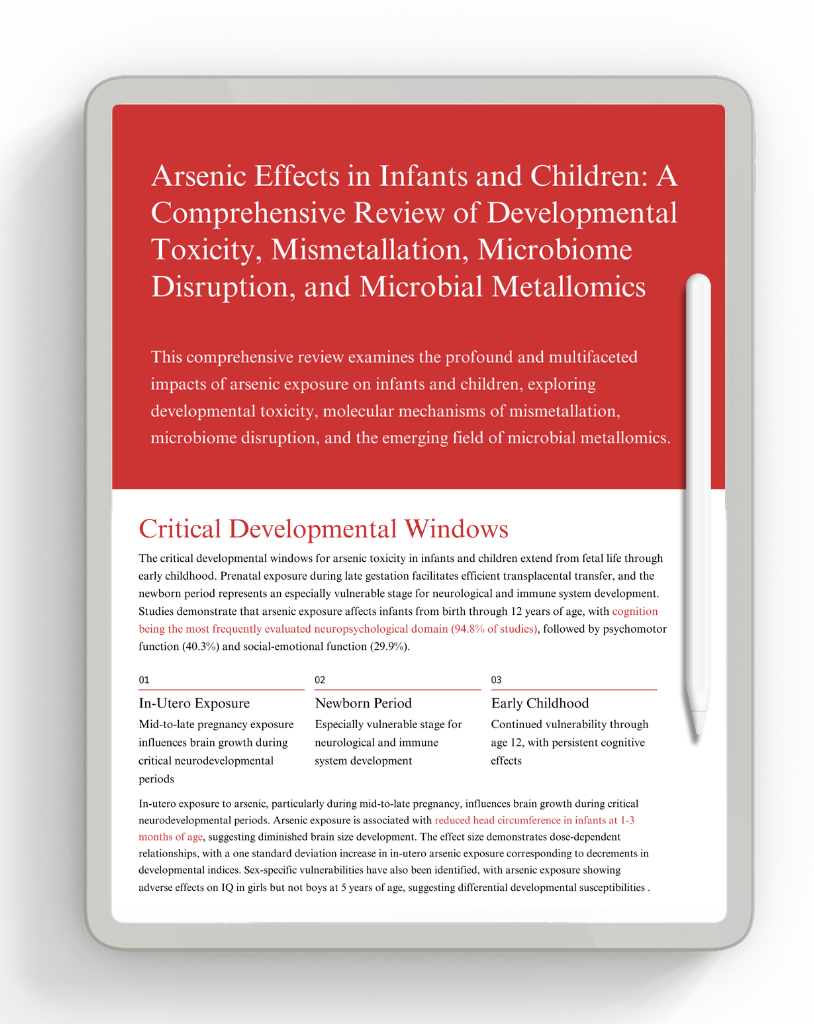 Arsenic Effects in Infants and Children: A Comprehensive Review of Developmental Toxicity, Mismetallation, Microbiome Disruption,and Microbial Metallomics
Toxicity Research
March 02, 2026
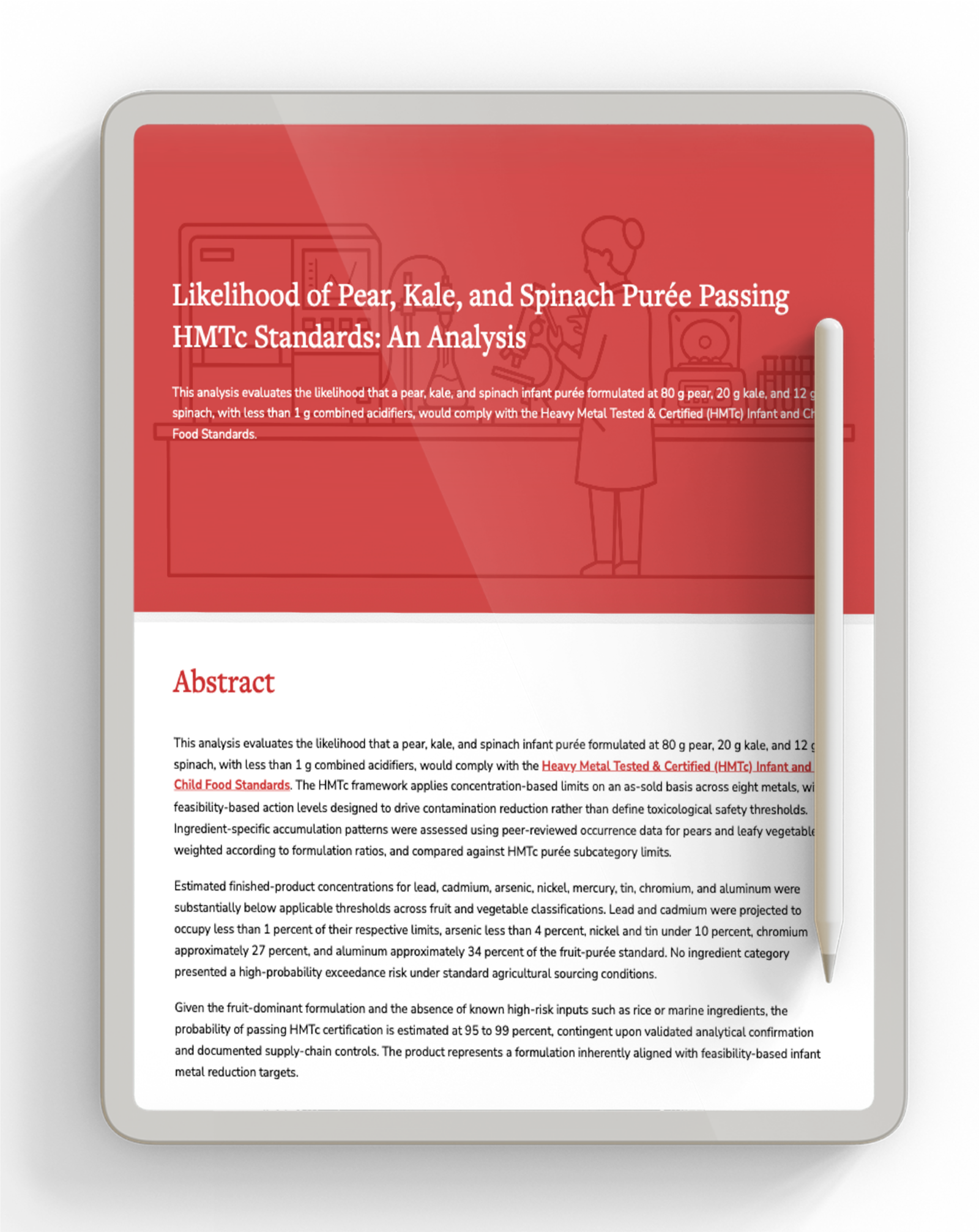 Likelihood of Pear, Kale, and Spinach Purée Passing HMTc Standards: An Analysis
INFANT AND CHILD FOOD
February 22, 2026