



Gut Microbiome Research and the Health Food Industry
"Probiotics are going to play definitely an increasing role as we learn more about them," Vuyisich says. "There's unlimited amount of knowledge that that is out there and we're just scratching the surface. And so the revolution has begun. I would like to ask everyone to contribute to this revolution in order to enable people to live healthier lives."
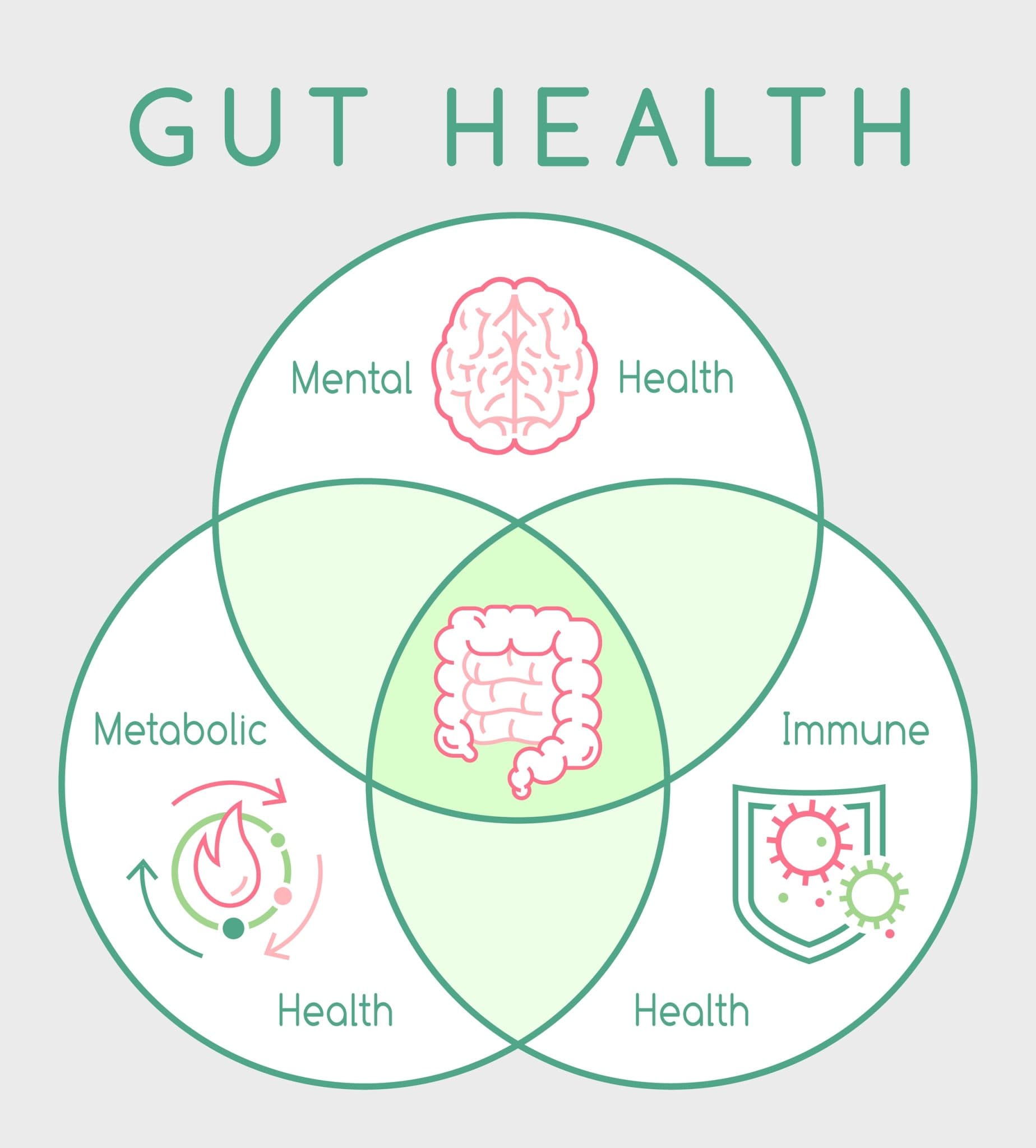

Occasionally, significant revelations in scientific research fundamentally transform the different disciplines and how they affect our lives. In the areas of health and nutrition, there have been several paradigm shifts over the years that have guided policies and popular opinion regarding how the food we put into our bodies can positively or negatively affect our health. Gut microbiome research might be on the verge of creating yet another paradigm shift. According to a recent paper titled "Historical Developments and Paradigm Shifts in Public Health Nutrition Science, Guidance and Policy Actions: A Narrative Review:" The development of PHN (public health nutrition) is characterized by the successive layering of paradigms resulting from interactions between science, social change and policy-making. Four eras of PHN are evident: the foundation, nutrient deficiency, dietary excess and imbalances, and environmental sustainability (ES). Dominant paradigms have been communicated through nutrient reference standards, dietary goals and dietary guidelines. Transitions from one era to the next indicated new ways of thinking about PHN, amounting to a paradigm shift. Contemporary research into the vast importance of the gut microbiome may lead us to the emergence of a new public health nutrition paradigm. Though many researchers, health professionals, nutritionists, and others state that further research is needed, there is a consensus that the gut microbiome's role in nutrition and overall health has been ignored and underappreciated in the past. Recent research continues to reveal the myriad of ways in which the gut microbiome plays an essential role in overall health by helping control digestion, strengthening the immune system, and imparting specific functions in host nutrient metabolism, among other vital aspects of health. At the same time, research confirms that imbalances of unhealthy and healthy microbes in the intestines may be a primary contributor to weight gain, high blood sugar, high cholesterol, and other of the most prevalent chronic diseases affecting society today. We recently sat down to talk with Dr. Momo Vuyisich, the founder and Chief Science Officer of Viome. Dr. Vuyisich is also an Adjunct Professor at the University of New Mexico and New Mexico Tech. Before co-founding Viome in 2016, Dr. Vuyisich spent 12 years at Los Alamos National Laboratory, leading the Applied Genomics team. His research focused on applying modern genomics to gut microbiomes, host-pathogen and microbial inter-species interactions, pathogen detection, cancer biology, toxicology, infectious diseases, antibiotic resistance, forensics, etc. Among other research and scientific endeavors, Viome offers at-home microbiome testing kits for people who are looking to learn more about their overall gut microbiome health. After being diagnosed with arthritis in his early 20s, Dr. Vuyisich spent years experimenting with different diets and other "bio-hacks" to reduce his inflammation issues and begin the healing process. This initial experience in harnessing the power of diets and nutrition for recovery eventually led him to help co-found Viome in 2016. Viome is a vehicle that attempts to find the root causes of chronic disease, aging, cancer, and other leading health problems via prevention, not management. "We want to identify the earliest symptoms and signs when a disease is beginning to emerge and find ways to reverse those signs," he says.
The Importance of the Gut Microbiome for Overall Health
As research into the role and importance of the gut microbiome continues to intensify, it is becoming evident that the microbiome likely plays a more significant role than our genes in overall health, especially concerning chronic disease. From Dr. Vuyisich's perspective, human genes play a minor role in chronic diseases. If it is not our genes causing the enormous expansion of obesity, diabetes, and other chronic inflammatory diseases, what exactly is the primary culprit? Though further research is needed, Dr. Vuyisich believes that the food we eat and our unique gut microbiome likely combine to play a fundamental and significant role in the onset and progression of chronic diseases, cancers, and aging. One of the most unfortunate misconceptions related to the gut microbiome is that it is nothing more than a waste product. Though the microbiome undoubtedly consists of waste products, it is primarily a "fermenter" or a chemical factory that converts food into either beneficial or harmful chemicals. "If we understand each person's microbiome and combine that microbiome with just the right foods, the chemical factory, which is the microbiome, will mostly produce the healthy chemicals and very few of the harmful chemicals," Dr. Vuyisich explains. "But what happens is that a lot of people have the wrong combination of microbiome and food, and therefore their microbiome, which is the chemical factory, produces harmful chemicals, and that's what leads to chronic diseases." As an example to help understand the incredible diversity and complexity of our gut microbiome, think of the process of brewing beer. To make beer, home brewers generally use a single species of a microbe, a type of brewer's yeast that you purchase commercially. That microbe is added to barley and uses that barley for food to convert into a chemical called ethanol. This is an example of one chemical output of that chemical factory from one microbe species. With recent research today, however, we are discovering that a typical human gut microbiome consists of a thousand species of microbes, if not more. This means that our microbiome can take the thousands of molecular ingredients found in our food and convert them into thousands of chemicals. However, those chemicals are not produced by human genes but rather by the complex chemical reactions in the gut microbiome. Thus, the gut microbiome is like an organ inside the intestine, providing nourishment and health and sending positive signals to our immune system. Unfortunately, the modern industrial diet more closely resembles our beer-making example by drastically limiting the number of microbes, and thus the number of chemical outputs that make up our gut microbiome. After years of relative obscurity, the fundamental importance of the gut microbiome is starting to make its way into the public consciousness. Unfortunately, many medical professionals, nutritionists, and other researchers continue to avoid vanguard research into how the gut microbiome works because it is still a very new field. Because we still need a complete picture or the full information on how the gut microbiome functions and the intimate connections it makes with the rest of our body, risk-averse scientists and researchers are lamentably avoiding research into this field. Viome, however, believes that the new technologies used by microbiologists to study bacteria, viruses, archaea, fungi, and other elements of our gut microbiome are quickly ushering in a new era of medicine and a new understanding of the forces at work within our bodies.
The Use of Metatranscriptomic Sequencing Technology
One of the innovative technologies used by Viome to understand the microbiome and develop health-enhancing solutions is metatranscriptomic sequencing technology. According to one Genomics Service Company, "Metatranscriptomic sequencing provides direct access to culturable and non-culturable microbial transcriptome information by large-scale, high-throughput sequencing of transcripts from all microbial communities in specific environmental samples." Viome's decision to use this technology boils down to the differences between DNA and RNA. The vast majority of companies doing microbiome research study the DNA of the gut microbiome. "DNA can only tell you who is there, and that's it. It cannot tell you anything about what they're doing," Dr. Vuyisich says. He offers three examples of why microbiome research should be centered on RNA and metatranscriptomic sequencing technology.
- Within the human body, there is a vast difference in how organs function. The liver, kidney, and brain have different bodily roles and functions. What people generally don't recognize, however, is that the DNA content of those three tissues in one person is identical. If you sequence the DNA of a kidney, liver, and brain from the same person, you will get the same DNA sequence. This tells us that DNA has the potential to be a kidney, a liver, or a brain. By sequencing it, however, we are still determining which one it will be. On the other hand, if you sequence the RNA of kidneys, liver, and brain from the same person, they will be substantially different because, of the twenty thousand genes every cell has, only a small subset of those genes is actively expressed in kidneys. A different set of genes is active and expressed in the liver, and a different set of genes is active and described in the brain. Thus, it is the RNA, not the DNA, that makes tissues fundamentally what they are.
- Secondly, using RNA is essential for helping treat certain diseases that go through phases of relapse and remission. For example, people suffering from inflammatory bowel disease (IBD) will have the same DNA readings whether they are completely asymptomatic or if they have tremendous colon inflammation with ten watery diarrheas per day. Despite those apparent changes in their conditions and symptoms of their disease, the DNA in their cells has not changed. However, the RNA, or the gene expression profile, has changed dramatically during those symptomatic changes. The genes that are supposed to be shut down got activated, and those are the inflammatory genes causing the disease. Studying the RNA allows us to look at the gene activation and expression, not the genes themselves.
- Lastly, Metatranscriptomic Sequencing Technology and the study of the RNA are also instrumental within the microbial world of our gut microbiome. Take the example of Clostridium difficile (C. diff), a type of bacteria that can cause colitis, a severe colon inflammation. C. diff is considered one of the worst bacterial pathogens in the United States. However, it is also a bacterium that lives in a lot of people as a friendly bacterium and can function as a very beneficial bacteria in the gut. Excessive prescription and consumption of antibiotics, however, kill off other bacteria and allows C. diff, which is highly resistant to antibiotics, to take over the community. This essentially turns the C. diff bacterium into a pathogen and can kill the person. When sequencing this microorganism with DNA technology, scientists and microbiologists must determine whether C. diff functions as a beneficial or harmful bacteria. RNA sequencing, however, allows scientists to choose when the bacteria is acting beneficially and when it is killing the host.
From the perspective of Viome, DNA expresses a potential. It acts as a static molecule sitting there, not doing anything. When it's expressed into RNA, however, it allows scientists to determine the function of those genes. Through Metatranscriptomic Sequencing Technology, Viome and other researchers can determine which gene expression is actually correlated with certain chronic diseases. In the specific case of the gut microbiome, studying and sequencing RNA allows researchers to discover how the same microorganisms can cause health and disease in a person. Returning to the example of IBD, whether a person with IBD is going through either a flare-up or is currently in remission, they will have the same microbes in their gut microbiome. Those microbes, however, will perform different functions directly related to the person's diet. The microbes in our gut microbiome feed off whatever fuel we provide, just like the brewer's yeast feeds off barley and produces ethanol. Thus, the microbes in our gut feed off our diet and produce chemicals. If those chemicals tell your immune system everything is fine, the immune system doesn't overreact, and the outcome is a healthy person. But if the microbes now use pro-inflammatory chemicals and send alert messages to the immune system, the result is an unnecessary inflammatory response, thus causing disease.
Groundbreaking Research into the Gut Microbiome and the Connections between the Gut and the Brain
Another innovative area of research into the importance of the gut microbiome is the gut-brain connection. "We now know that the majority of neurotransmitters are actually produced in the gut, not in the brain," Dr. Vuyisich says. "Second, what we know is that that neurotransmitter production is controlled by the microbiome. So essentially, our brain functions are controlled by the gut microbiome to a large extent via induction of the production of the neurotransmitters in the gut and then signal transduction via the Vagus nerve to the brain." Dr. Vuyisich mentions an example of a woman who has bipolar disorder. After years of psychologists prescribing drugs that targeted her brain without noticeable improvement, the woman read about the gut-brain axis. She asked her doctor to initiate a fecal microbiota transplant from her husband. Six months later, she was completely cured of bipolar disorder. Viome continues to research the gut-brain axis and unlock the secrets of how mental health is connected to our diets and the overall health of our gut microbiome.
Advice for Health Food Brands
Viome Health Sciences is the platform and technology that allows the company to continue discovering how the gut microbiome works and affects our overall health. Besides being one of the leading research institutions into the importance of the gut microbiome, Viome has also recently branched out into consumer products. However, that technology and research have enabled Viome to spin off an unlimited number of applications directed to consumer wellness. The company is currently releasing a diagnostic application, a screening tool for oral and throat cancers, among several other applications in the space of infectious diseases, vaccines, cancer therapy, etc. Given their experience in translating the scientific research of the gut microbiome into concrete consumer products that enhance health and wellbeing, Dr. Vuyisich offers some revealing advice for brands that operate within the health food space. "Unfortunately, (being labeled as a) health food brand means that (a company) is making food that they are going to claim is good for everyone," Dr. Vuyisich says. "We already know that that's that is not the case, no matter what the food is…If you say that broccoli must be healthy for everyone, it most definitely is not healthy for everyone." Research into the role of the gut microbiome reveals that no food item will be healthy for everyone, and any food can be highly health-enhancing for some people and poisonous for someone else. Given this reality, Dr. Vuyisich believes that a new paradigm in health and nutrition is on the horizon. It is highly personalized and data-driven, meaning that everyone will consume a different diet given their unique gut microbiome. "The benefit of any diet is going to be very much determined by the microbiome of that person, which means that the same food given to two different people may have a completely opposite effect," Vuyisich says. "And so brands are going to have to get the data in order to successfully market their food to specific people." Instead of marketing any food as healthy or unhealthy, Dr. Vuyisich recommends isolating those elements and compounds and selling them as supplements to allow consumers to pick precisely the ingredients that are beneficial for them and avoid the ingredients that are bad for their particular microbiome. For example, instead of marketing broccoli or some other product as a super-food that is healthy for everyone, Dr. Vuyisich thinks that healthfood companies should focus on isolating specific fibers, compounds, or ingredients in food products to market those products to people whose gut microbiomes are compatible. Whereas the sulfide compounds in broccoli may cause some people gas, bloating, and inflammation, in others, the amide compounds may prevent inflammation. "At Viome, we have three hundred thousand customers, and that means we literally have three hundred thousand diets because diets, as we know them, are human made, abstract terms. Our microbes and our genes don't know anything about the Mediterranean diet. They don't know anything about the ketogenic diet. That's just a made-up term that someone is using to promote something," Dr. Vuyisich states. For health food brands, groundbreaking research into the importance of the gut microbiome may fundamentally change the health food industry, consumer preferences, and how companies make and market their products to individual consumers. This future scenario is wholly data-driven and personalized. To succeed in this future, health food brands must start developing a business model that adjusts to this future reality. One area in which Dr. Vuyisich sees opportunities for business growth within the health food sector is the area of probiotics and other products aimed towards improving the gut microbiome. "There are many potential uses for probiotics," Vuyisich believes. "A very common use case today is that because we're overusing antibiotics and food preservatives, probiotics are needed simply because many people have lost so many microbes from their intestines. They're lacking basic functions that the microbiome provides for a healthy body, and so those people need to need to consume a whole bunch of different probiotics that are not available today." Another possible use for probiotics is for products directed towards individuals who cannot consume certain foods because their microbiome cannot degrade the toxic compounds in those foods. Certain probiotics may help those individuals digest and degrade those compounds, thus allowing for the consumption of certain food groups. Probiotics may also play an increasingly important role as drugs for treating infectious diseases, such as colitis caused by the C. diff bacterium. "Probiotics are going to play definitely an increasing role as we learn more about them," Vuyisich says. "There's unlimited amount of knowledge that that is out there and we're just scratching the surface. And so the revolution has begun. I would like to ask everyone to contribute to this revolution in order to enable people to live healthier lives."
Related Reading
- Therapeutic Tools for Gut Microbiome Health
- Bee Free: A Health Food Brand Born to Help Win the Fight for Autism
- Gut Health 101: Gut Bacteria, the Gut Microbiota, and your Health
Share: