



Therapeutic Tools for Gut Microbiome Health
The health of your gut microbiome is linked to all different sorts of positive health outcomes. Today, there are emerging therapeutic tools that can help people better protect and enhance the health of their gut.
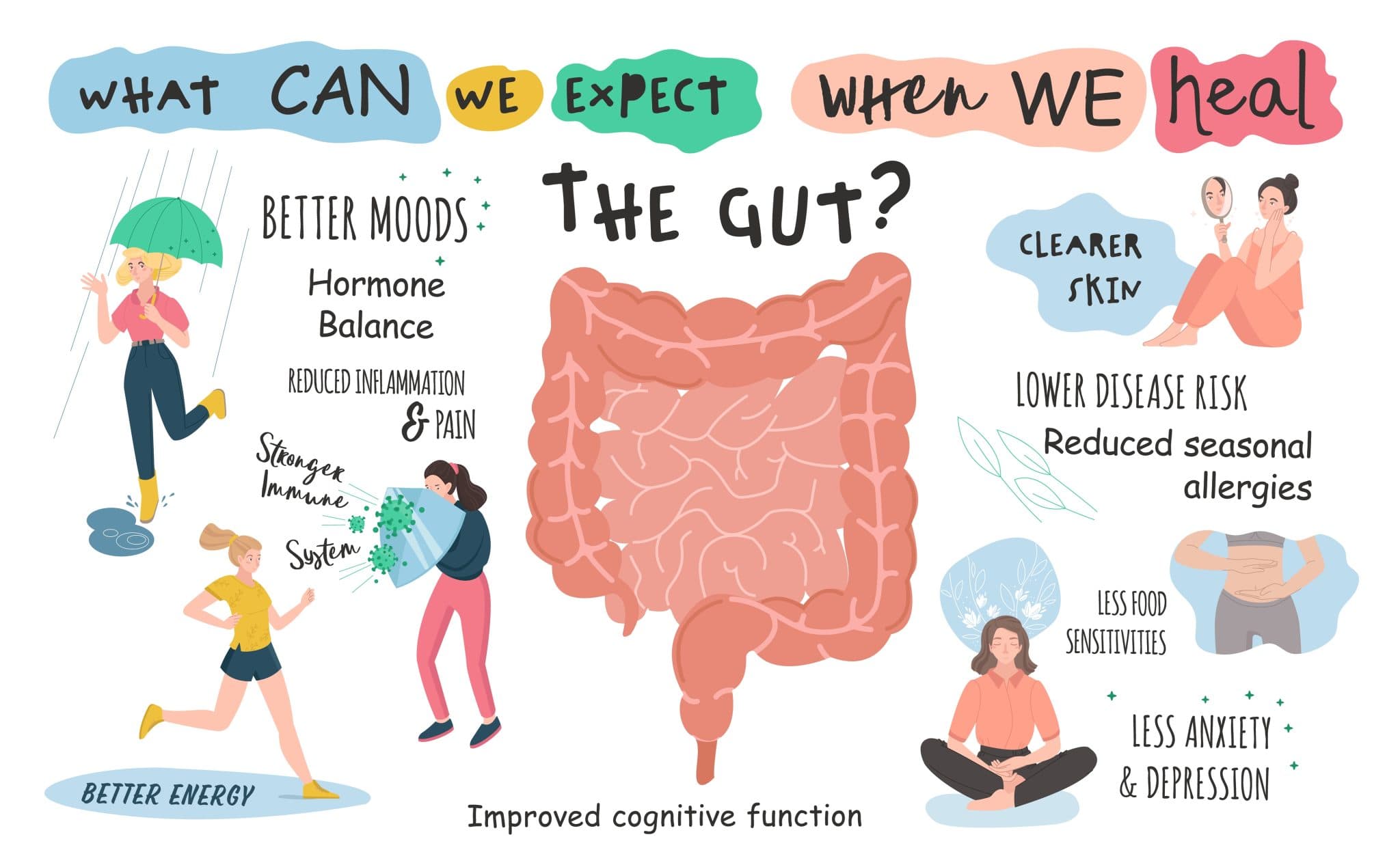

The relationship between the gut microbiome and overall human health is increasingly being recognized and documented. A 2018 study titled "Role of the gut microbiota in nutrition and health" states: Microbiome refers to the collective genomes of the micro-organisms in a particular environment, and microbiota is the community of micro-organisms themselves. Approximately 100 trillion micro-organisms (most of them bacteria, but also viruses, fungi, and protozoa) exist in the human gastrointestinal tract—the microbiome is now best thought of as a virtual organ of the body. The human genome consists of about 23,000 genes, whereas the microbiome encodes over three million genes producing thousands of metabolites, which replace many of the functions of the host, consequently influencing the host's fitness, phenotype, and health.[i] Though researchers continually discover how the gut microbiome impacts health, consumers and food companies may need precise information to develop strategies to modulate the gut microbiota for improved health outcomes. We recently sat down to talk with Kiran Krishnan, a Research Microbiologist with almost two decades of experience researching the gut microbiome and developing dietary supplements and nutrition products.
Who Is Kiran Krishnan and Microbiome Labs?
Krishnan spent several years involved with hands-on research and development in molecular medicine and microbiology at the University of Iowa. He then spent several years working as the Product Development lead for Amano Enzyme, USA, one of the world's largest suppliers of therapeutic enzymes used in the dietary supplement and pharmaceutical industries. Krishnan has also created a Clinical Research Organization where he designed and conducted dozens of human clinical trials in human nutrition. He is also the co-founder and partner in Nu Science Trading, LLC, a nutritional technology development, research, and marketing company in the Dietary Supplement and Medical Food markets. Today, Krishnan is the Chief Scientific Officer at Physician's Exclusive, LLC and Microbiome Labs. Microbiome Labs focuses on reconditioning, reinforcing, and rebuilding the gut microbiome. Over his career, Krishnan has participated in developing over 50 private-label nutritional products. "The mission of our company is really to make health accessible to all through a number of factors," Krishnan explains. "The most important goal of our company to get more healthcare practitioners to understand the power of the microbiome; and not just integrated, holistic practitioners, but also the main allopathic medicine space as well, because that's still where most patients go." Because the holistic health market is still relatively small compared to the rest of the world and the marketplace of medicine, much of the work of Microbiome Labs focuses on education. The company also offers probiotics, prebiotics, enzymes, and others to help modulate the gut microbiome positively by increasing diversity, increasing Keystone species, sealing up leaky gut, and increasing chain fatty acids. "We develop lots of tools for healthcare practitioners and others, to bring the importance of the microbiome into the health and wellness world," he explains.
A Primer on the Fundamental Importance of the Gut Microbiome
Despite the growing scientific understanding of the importance of the gut microbiome, many people still need to recognize this importance and make dietary or nutrition-based decisions that do not consider the gut microbiome. The International Food Information Council (IFIC) recently released its 2021 Food and Health Survey[ii]. The survey found that more people were trying to consume probiotics and prebiotics in 2021 compared with just one year earlier, with almost one-quarter of the respondents considering digestive health as the most crucial aspect of their overall health. However, the survey also determined a knowledge gap between where people commonly seek prebiotics and probiotics and where these products are found. Krishnan believes that for people who need an in-depth understanding of the gut microbiome and how it works, the most critical aspect to understand is that the gut microbiome controls virtually every aspect of our functionality. "There is the gut-brain access, the gut-skin access, the gut-immune axis, the gut-liver access—all of these accesses are indicative that the microbiome plays an influential role on basically every organ system in the body," he explains. "We also know that there's a huge number of nutrients that our body requires and cannot get from food. We count on the gut microbiome to produce those nutrients for us." The gut microbiome doesn't only play an essential role in breaking down or assimilating nutrients from food, but the microbiome also produces a significant number of critical nutrients that we cannot get effectively from food. "For example, there are compounds that impact mitochondrial activity in the cell, arguably some of the most important compounds in terms of cellular turnover and anti-aging, and we do not get those compounds from diet," Krishnan continues. "We require them to be produced by the gut microbiome through metabolizing polyphenols that come in the diet. It becomes really important for people to understand that the gut microbiome is not only important in terms of digestion, but it also is a nutrient factory for essential nutrients that we require to function as humans." Krishnan believes that the diversity in the gut microbiome is the most essential factor in determining how well the gut microbiome impacts the functions of digestion, nutrient production, and other critical roles. "The more diverse the gut microbiome, the healthier and more resilient it is, and the more of these important compounds that it can produce," he says. "Diversity is then one of the key aspects of health is having a highly diverse gut microbiome." Lastly, Krishnan believes that people must begin to understand the keystone species' importance in the gut microbiome. "Keystone species are those species that play a foundational role in the microbiome," he says. "They support a healthy diverse microbiome, and they also protect the host in numerous ways, both metabolically and then also immunologically from harm from inflammation, invasion, and other health problems. The presence of these keystone species is absolutely critical for overall health and wellness, and having adequate levels of these keystone species is also a significant measure of health." Some of the Keystone organisms include:
- Bacteroides fragilis
- Bacteroides stercosis
- Bifidobacterium longum
According to a 2020 publication titled "Discovering the Therapeutic Potential of Keystone Bacteria in Treating Chronic Diseases[iii]:." Keystone gut bacteria are the foundation of the whole microbial ecosystem because they provide very specific metabolic functions that support other more generalist micro-organisms…A healthy gut microbiome is composed of a mixture of micro-organisms including bacteria, fungi, viruses and others. Gut bacteria can be divided into 3 categories: dominant bacteria, subdominant keystone bacteria and opportunistic pathogens. The tenet of keystone species was coined in 1966 by the American ecologist Robert T. Paine. Referring to sea ecosystem, he demonstrated that the removal of sea stars had a dramatic impact on the shoreline ecosystem community and biodiversity. Among the billions of bacteria that make up our body, certain families are the drivers of the gut microbiome structure and functioning. There are called "keystone taxa." Contrary to what is commonly believed, the abundance of a species is not the best determinant of its contribution to the gut microbial ecosystem. Keystone taxa are often subdominant slow growers that set the scene for the fast growers, dominant bacteria. At the root of the gut microbiome community, keystone taxa help the rest of the ecosystem grow, and provide key functions. An increasing number of scientific publications have highlighted a core microbial community, associated with major metabolic functions that must be present to maintain symbiosis. Within the core microbial community are keystone taxa whose role is to perform a range of precise metabolic processes. They are indeed responsible for narrow, non-redundant metabolic processes that provide multiple benefits to the entire bacterial community. To simplify and to help people focus on the fundamental aspects of the gut microbiome, Krishnan believes they should focus on encouraging a healthy diversity of the gut microbiome and growing the keystone organisms to impact health in the long run.
Emerging Therapeutic Tools to Manipulate the Microbiome
But what exactly can individuals do to diversify the gut microbiome, encourage the growth of keystone species, and improve the connectivity between the brain and the gut and other parts of the body? In terms of the gut-brain axis, Krishnan believes that the healthy use of psycho-biotics is one of the best therapeutic tools on the market today. Psycho biotics are probiotic bacteria that have a direct impact on the brain and can have a measured impact on mood and stress response. "We discovered a psycho biotic called Bifido longum 1714 that has the capability to reduce cortisol response in the presence of stressors, thereby reducing the perception of the stressor and the intensity of the stressor as well," Kiran says. "It also reduces the inflammatory response to stress, which is what makes stress so unhealthy. The presence of stress induces a massive systemic inflammatory response. So being able to modulate some of that inflammatory response from stress becomes a huge therapeutic tool in daily stress and mood management." Their studies confirmed that this psychobiotic also activates coping centers of the brain, which are essential to rationalize and deal with external stressors. By improving this ability, individuals are better prepared to cope with adversity and allow the body to deal rationally with these things rather than having a significant emotional stress-like response. "We've also shown that this psycho biotic has the capability of switching brainwave function, helping put people in a little bit more of a theta wave band than your common daytime stress mind frame," he states. Theta waves are the same brain waves that increase when a person meditates, creating a feeling of peace, tranquility, and rational thought. "Knowing that these microbes can bind to receptors on the lining of the gut and change your brainwave function really speaks to the power of microbes in affecting the brain," he states. This psychobiotic can also help reduce the inflammatory response associated with stress. "One of the problems with the inflammatory response associated with stress is a single stressor can trigger the HPA Axis stress response," Krishnan explains. "The HPA Axis stress response triggers cortisol release, and cortisol release in an unhealthy gut will create leaky gut, thus increasing the inflammatory response. In light of the stressor, the inflammatory response will retrigger the HPA axis, thereby releasing more cortisol and then making the gut even leakier and triggering even more inflammation. It becomes a vicious cycle where a single stressor can continuously activate the HPA axis and continuously increase inflammation throughout the day." Whereas our distant ancestors utilized HPA activation (also known as the flight or fight response) to survive the threats that surrounded them, in the modern day, we trigger the same response even though it's things that are not life-threatening. Unlike our ancestors, we cannot come down from this HPA activation state because our dysfunctional guts keep reactivating the HPA axis. Hence, people remain in this state of heightened stress and anxiety throughout the day. Years of doing that creates more and more inflammatory damage not only to the gut but to the central nervous system in the brain as well. "Unfortunately, this is super common," Krishnan states. "We're not even talking about people who have really bad clinical anxiety where they can't leave the house or have to be institutionalized. These are your average everyday people who are walking around in a chronically anxious state." In most cases, people self-medicate to deal with this permanent stressful state. They try to overcome this response by stoking dopamine, which acts as a reward center. The brain's reward center provides some alleviation and a brief moment of happiness. "You can do that through recreational drugs, through drinking, through sugar, through the various food addictions and other behavioral addictions," Krishnan states. "What we end up with is people in this constant anxious state, who are trying to self-medicate by using food, drugs, alcohol, and other addictive behaviors. That is a description of a very typical person trying to function in the modern day."
The Cascading Effects of Chemical Residues in Food and how they affect the Gut Microbiome
The presence of an enormous list of agrochemical residues in our food also has a massive negative impact on the gut microbiome. Many of the most common agrochemicals utilized by the industrial food system essentially act as potent antibiotics. The herbicide glyphosate, for example, selectively kills beneficial bacteria. "Glyphosate, as an antibiotic, is present in all our foods and water. It is highly pervasive in the environment, and due to the constant exposure of this substance that selectively kills good bacteria over time, you end up with a highly prevalent compound that creates a very specific type of dysbiosis in the gut," Krishnan explains. "The type of dysbiosis is one where you have high levels of opportunistic organisms producing really noxious compounds in the body. High levels of hydrogen gas and methane, branched chain fatty acids, hydrogen sulfide: all of these are things that have a toxic genic response in the gut. Unfortunately, this becomes a chronic response in the gut because of the chronic exposure to these agricultural products." The second negative factor Krishnan sees in the chemical residues in our food is how these agrochemical compounds kill the soil. "The soil of the earth is reflective of the soil of your gut microbiome," he states. "There are a lot of analogies and parallels between your gut microbiome and the soil. When the soil is dead, which of course it is due to tilling and the massive presence of antimicrobials that are being sprayed in the soil, then the roots of the plants can't assimilate nutrients in the same way. The same occurs to a human gut that is devoid of bacteria. Our guts wouldn't be able to assimilate nutrients in the right way. What's happening is we're creating vegetation significantly reduced in nutrient quality. The broccoli that we grow today has 50 percent less nutritional value than the broccoli we grew just a few decades ago, because of the depletion of the microbial communities in the soil." Krishnan urges individual consumers to opt for organic, chemical-residue-free food because:
- You are reducing your exposure to these chemicals.
- You are utilizing foods with a higher nutritional value because they come from soil with higher microbial diversity in life, especially if you're focused on regenerative agriculture, biodynamic farming, and other practices that specifically look at soil regeneration.
- You are selecting with your wallet and making a stance that you don't stand for those kinds of egregious agricultural practices.
Recommendations to Health Food Brands
Individual consumers can certainly make decisions that positively impact the gut microbiome. Krishnan also believes that health food companies also have a role in promoting better gut microbiome health. Krishnan recommends that brands operating in the health food space should look for sources and suppliers of ingredients and agricultural products that come from more biodynamic and organic sources. "These companies can also start to look to add a little bit more diversity in their ingredient list," he adds. "Having a couple of options for flours, for example, might be a good starting point. "If the product is based on flour, instead of using just rice flour or wheat flour, having a mixture of flour can be important. Adding some legume-based flours, having some cassava, for example, can certainly help. Adding diversity and more macronutrients within the product will also add diversity to the gut microbiome." He also believes that health food brands should minimize food additives like emulsifiers, especially those emulsifiers that can hurt the gut microbiome. Emulsifiers are commonly added to processed foods such as mayonnaise, ice cream, and baked goods to create a smooth texture, prevent separation and extend shelf life. They can be made from animal, plant, or synthetic sources. Krishnan recommends that health food companies use more natural emulsifier versions. Pea fiber, for example, binds both oil and water. This natural fiber can have an emulsification-type of property without the negative consequences on the gut microbiome. Also, he advocates that companies should consider adding resistant starches to their products. "I think most food products out there should deliver some resistant starches, which is very common with natural human evolution," he states. "Our ancestors ate protein from animals, which included fat of course. A lot of the foods that they forged and gathered also tended to have lots of fiber. Now most of the foods don't have any fiber in them at all. There is a need, then, for specifically fiber-rich foods so that people can get the needed fiber in the system." Lastly, Krishnan believes that food companies should also consider adding probiotics to their products. "We're designed by nature to gain exposure to microbes through diet, and this is a very potent way of being exposed to the microbial world through foods," he says. "For our hunter-gatherer ancestors, the food was inevitably covered in dirt, which allowed them to gain lots of exposure to microbes. We need to similarly utilize microbes in the processing and manufacturing of health food products." Microbiome Labs specializes in making and marketing spore-based probiotics, which work tremendously well in almost any foodstuff, whether baked, extracted, or lyophilized. The company is also always looking at collaborating with and partnering with other companies to improve the microbial impact of their products. "We love working with food companies because food has some of the greatest impacts on people's minds," Krishnan says. "Supplements, of course, are powerful, but most of what you consume every day is food, and that food can have a huge impact. So we love partnering with food brands, as we continue our role and mission of researching, educating, and being the tools of improving the microbiome."
Sources
[i] BMJ 2018; 361 doi: https://doi.org/10.1136/bmj.k2179 (Published 13 June 2018) [ii] https://foodinsight.org/2021-food-health-survey/ [iii] https://ysopia.bio/discovering-the-therapeutic-potential-of-keystone-bacteria-in-treating-chronic-diseases/
Related Reading
- Gut Microbiome Research and the Health Food Industry
- Gut Health 101: Gut Bacteria, the Gut Microbiota, and your Health
- The Role of Gut Flora in Health
Share: